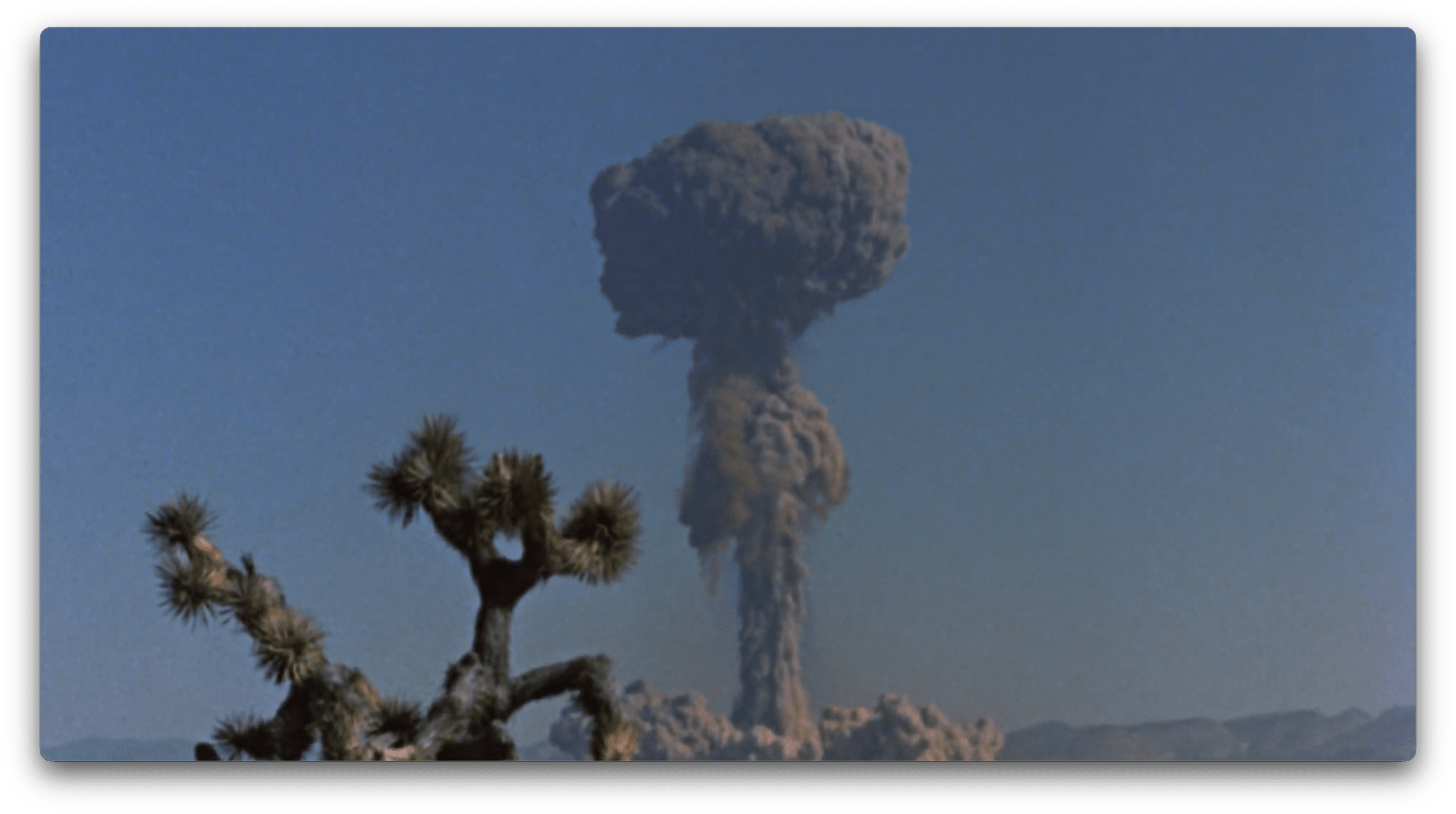

Directed in 1982 by Godfrey Reggio, shot by Ron Fricke, and driven by the minimalist music of Philip Glass, this first installment of the *Qatsi* trilogy tells no story in the traditional sense. There is no dialogue, no main character, and no plot. Yet, it captivates from the very first frame to the last.
Réalisé en 1982 par Godfrey Reggio, photographié par Ron Fricke et porté par la musique minimaliste de Philip Glass, ce premier volet de la trilogie Qatsi ne raconte aucune histoire au sens traditionnel. Aucun dialogue, aucun personnage principal, aucune intrigue. Pourtant, il captive de la première à la dernière image.
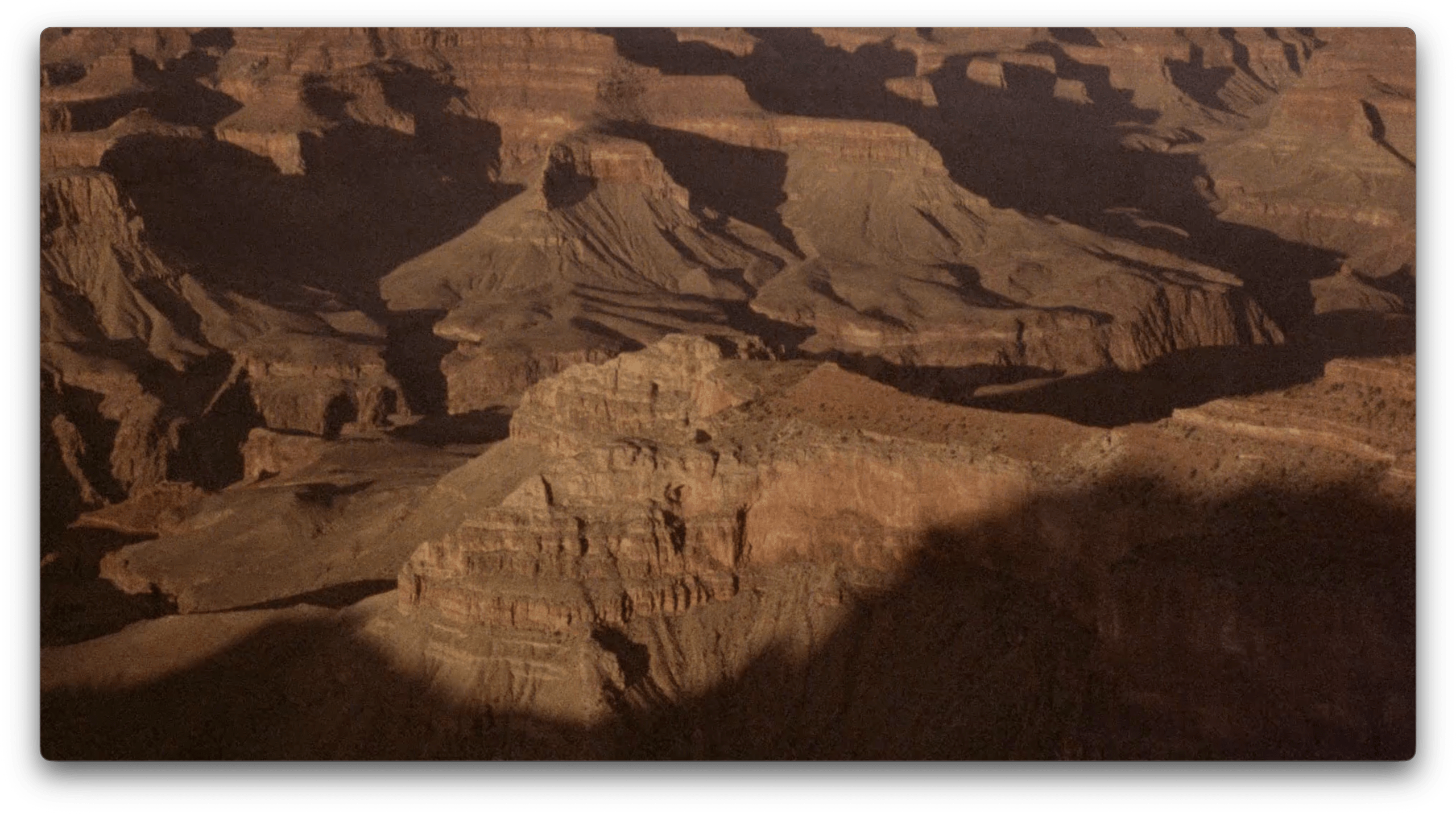
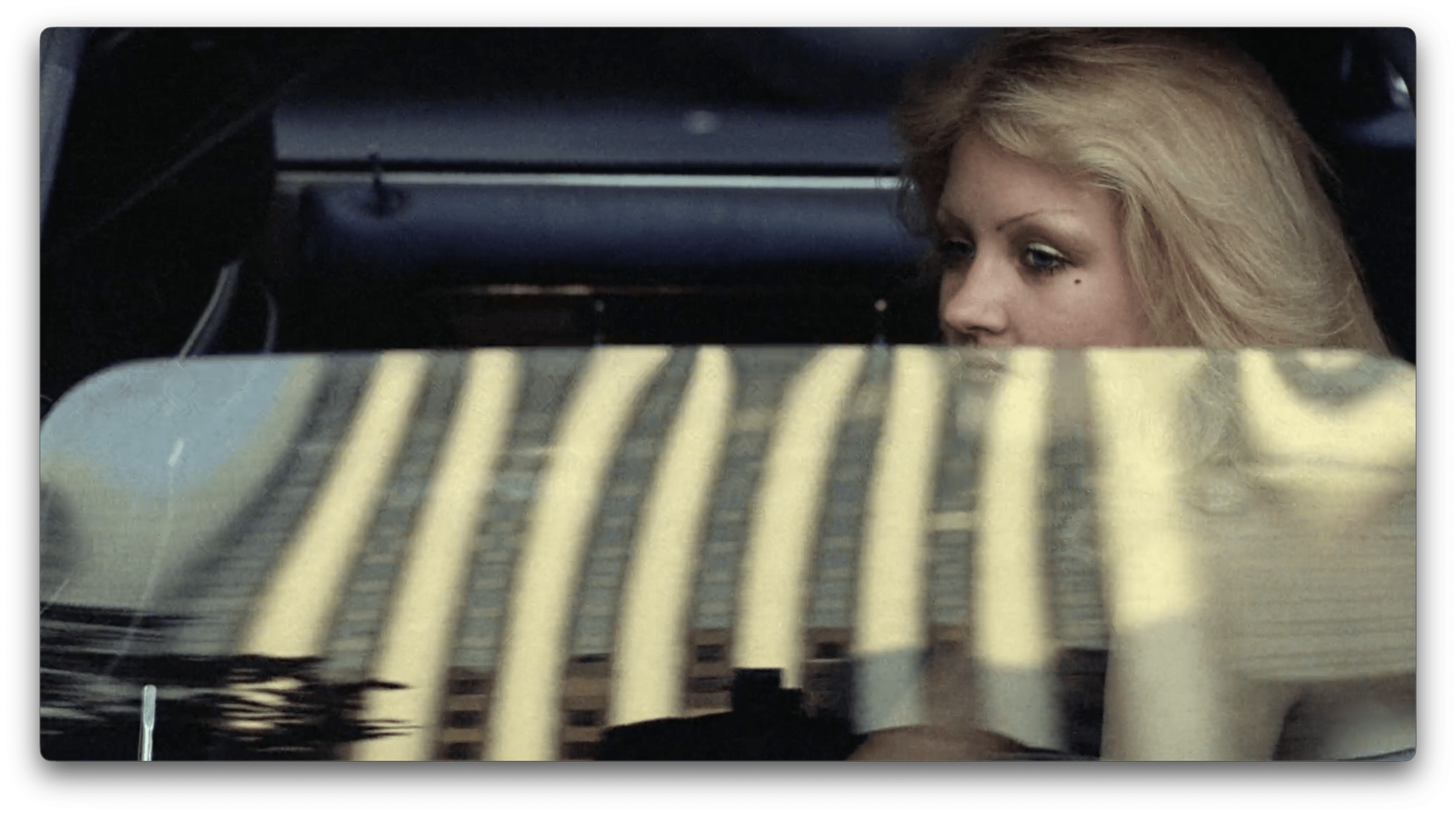
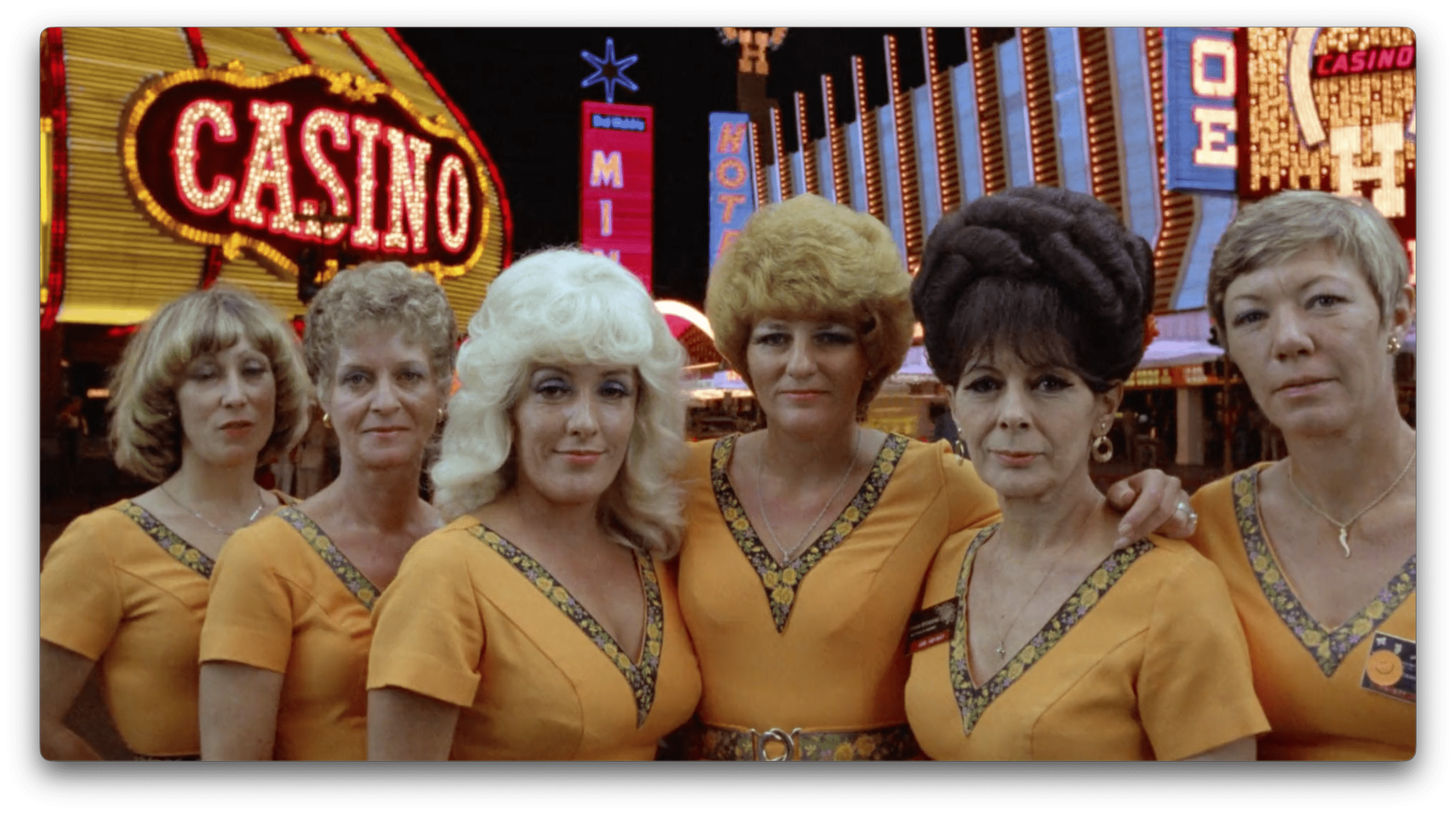
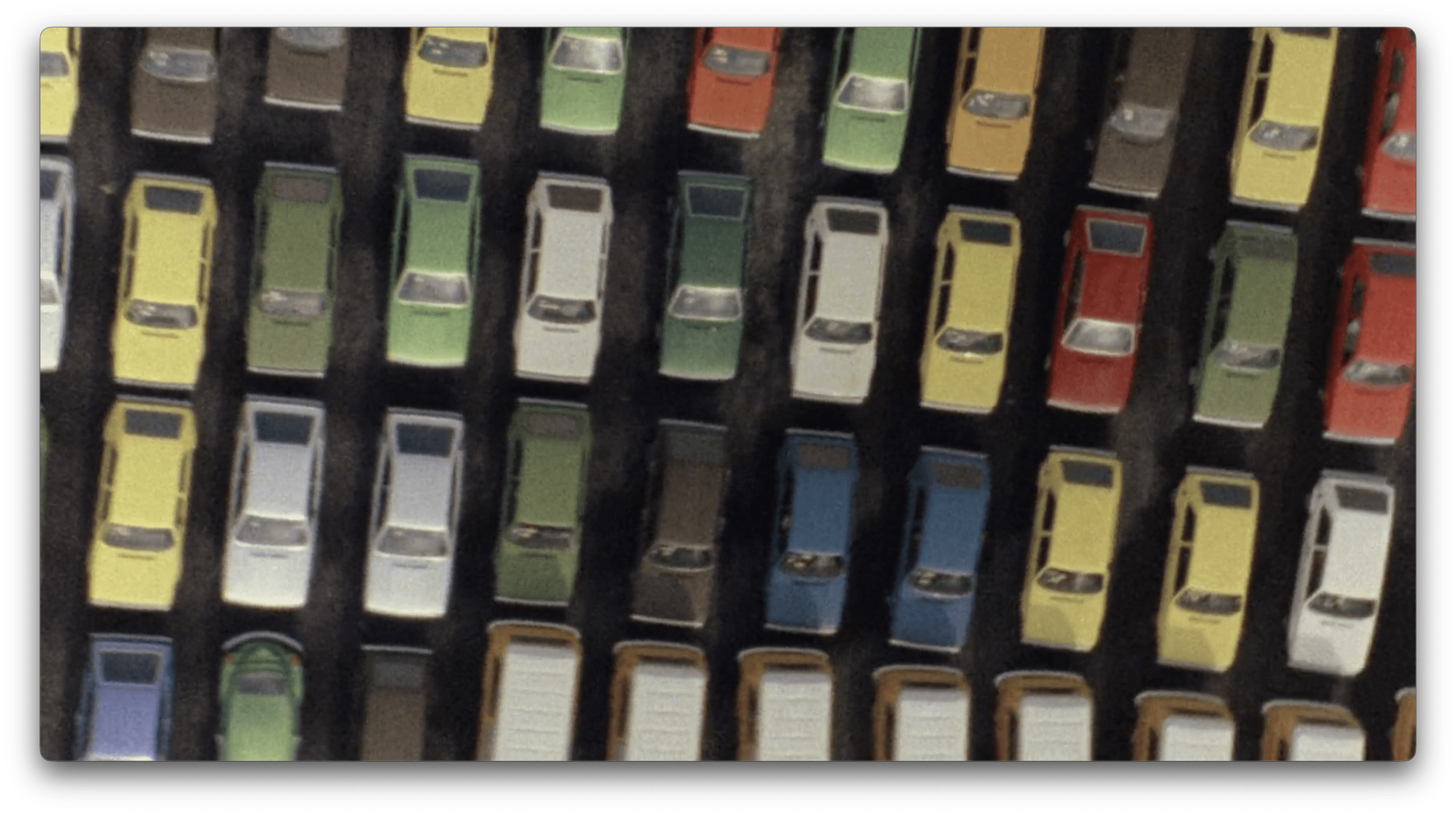
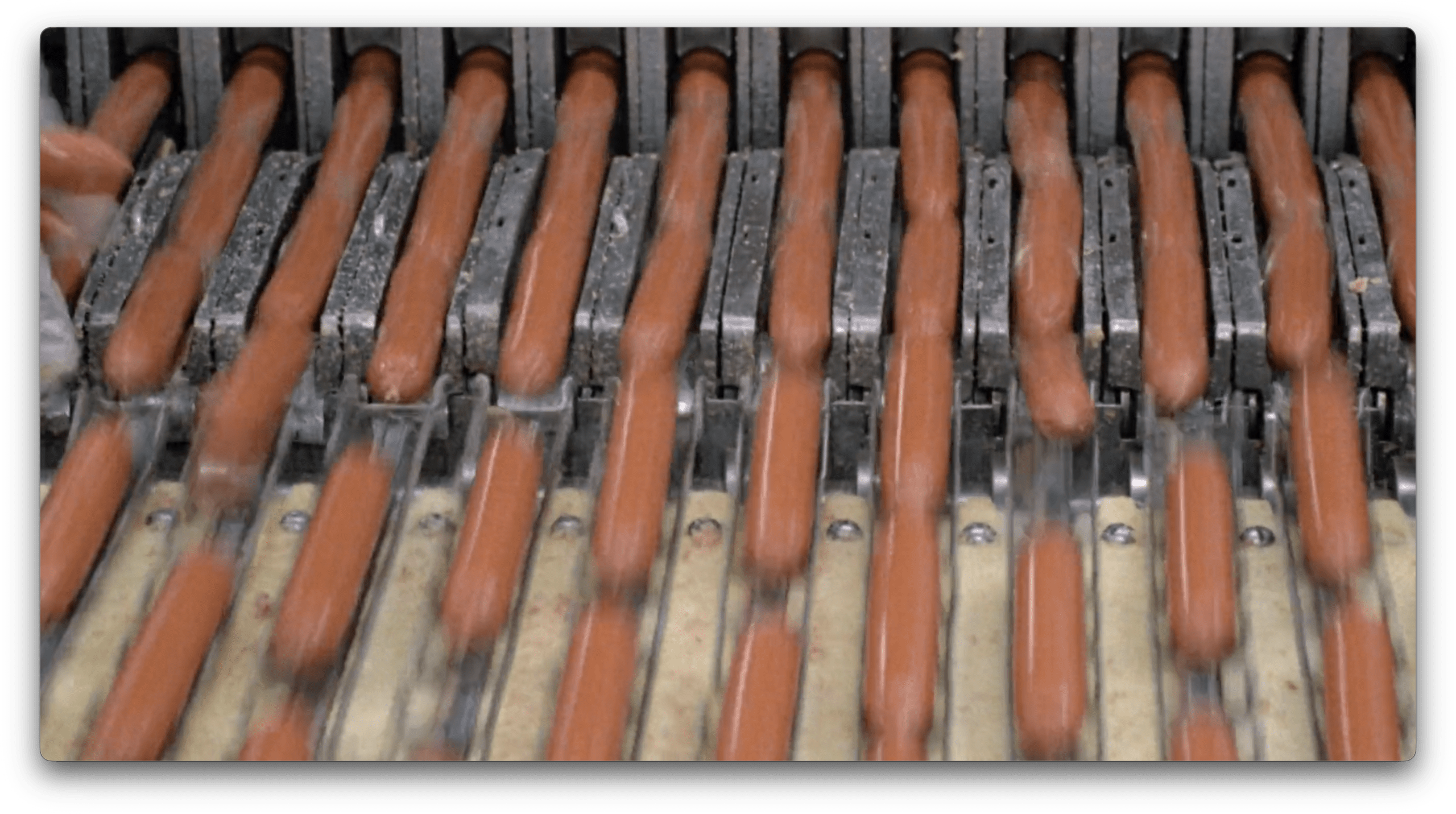
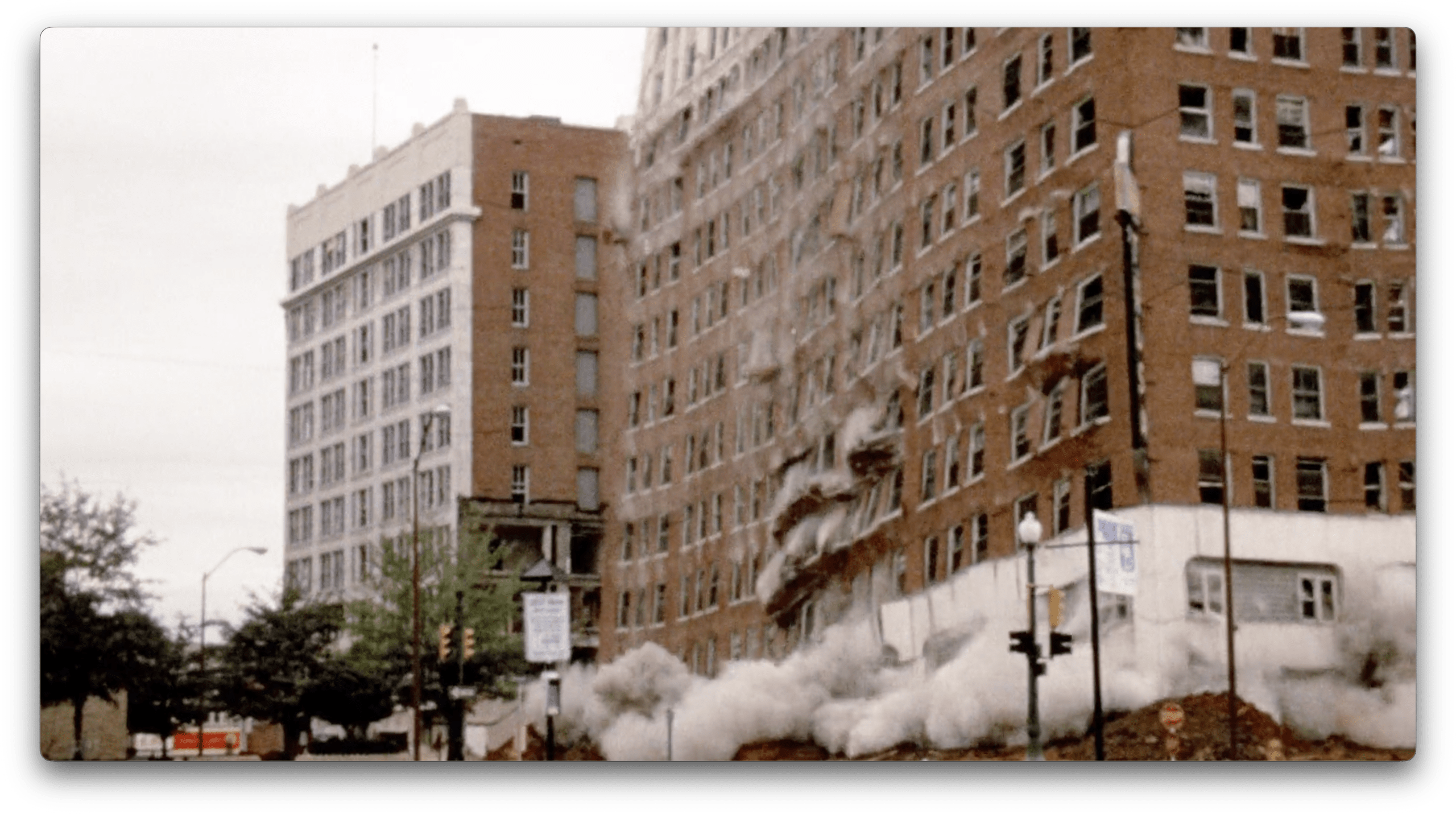
The film is built on an idea as simple as it is radical: making editing, rhythm, and music the true engines of the narrative. Natural landscapes give way to monumental architecture, deserts to highways, and individual faces to anonymous crowds. Each shot derives its meaning not in isolation, but through its relationship with the shots preceding and following it. Editing becomes a language.
The title, borrowed from the Hopi language, translates to « life out of balance. » This concept runs through the entire work without ever being explicitly stated. Reggio seeks neither to persuade nor to condemn; he observes. He juxtaposes the power of the natural world with the relentless acceleration of industrial societies, leaving it to the viewer to construct their own interpretation.
Le film repose sur une idée aussi simple que radicale : faire du montage, du rythme et de la musique les véritables moteurs de la narration. Les paysages naturels succèdent aux architectures monumentales, les déserts aux autoroutes, les visages aux foules anonymes. Chaque plan prend sens non pas isolément, mais dans sa relation avec le précédent et le suivant. Le montage devient un langage.
Le titre, emprunté à la langue hopi, peut être traduit par « une vie hors d’équilibre ». Cette notion traverse l’ensemble de l’œuvre sans jamais être explicitée. Reggio ne cherche ni à convaincre ni à dénoncer. Il observe. Il met en regard la puissance du monde naturel et l’accélération permanente des sociétés industrielles, laissant au spectateur le soin de construire sa propre lecture.
La photographie de Ron Fricke est remarquable par sa maîtrise du temps. Les ralentis, les accélérés et les compositions géométriques transforment les villes en organismes vivants, presque abstraits. Associée à la musique répétitive et hypnotique de Philip Glass, elle crée une expérience où le son et l’image semblent respirer ensemble.
Ron Fricke’s cinematography is remarkable for its mastery of time. Slow motion, time-lapse, and geometric compositions transform cities into living, almost abstract organisms. Paired with Philip Glass’s repetitive, hypnotic music, it creates an experience where sound and image seem to breathe in unison.
Etrange prophétie ou hasard de résonance ?
Strange prophecy or coincidence of resonance?
Documentation sources :
Wikipédia France — Critikat —
Photographic sources :
AMC-archi — Architectures de cartes postales — Archive d’architecture du XXe siècle — Archives Le Républicain Lorrain — Archives Le Républicain Lorrain/Fonds Jean Weisse — Collection Archives communales de Thionville — David Meier — Photo RL/Pierre HECKLER
Streaming platforms
Contact / Licensing requests
Newsletter subscription
❤︎
⋅ David Meier, musicien autodidacte, compositeur, photographe et graphiste, membre fondateur du studio Bunker Palace. Un parcours qui se construit autour d’une intuition simple : image et son sont deux manières de raconter la même histoire.
La pratique photographique incite à ralentir, à scruter les détails du quotidien, à chercher l’instant décisif. La musique ouvre l’espace de l’invisible, là où l’émotion se glisse entre deux notes ou deux silences. Peu à peu, ces deux pratiques se sont mêlées jusqu’à devenir indissociables. Une image appelle un son, un son évoque une image.
Son travail, une tentative de créer des expériences immersives où l’on ne sait plus si l’on regarde ou si l’on écoute. Une capsule photo devient un fragment de monde vivant ; une composition musicale se transforme en paysage à traverser du regard.
Une recherche du point d’équilibre où la lumière et la résonance dialoguent, où l’instant fugitif devient trace sensible.
⋅ David Meier, self-taught musician, composer, photographer, and graphic designer, founding member of the Bunker Palace studio. A career built around a simple intuition: image and sound are two ways of telling the same story.
Photography encourages us to slow down, to scrutinize the details of everyday life, to search for the decisive moment. Music opens up the space of the invisible, where emotion slips between two notes or two silences. Little by little, these two practices have blended until they have become inseparable. An image calls forth a sound, a sound evokes an image.
His work is an attempt to create immersive experiences where we no longer know whether we are looking or listening. A photo capsule becomes a fragment of a living world; a musical composition transforms into a landscape to be traversed with our eyes. A search for the point of balance where light and resonance converse, where the fleeting moment becomes a tangible trace.
Chacune des capsules photo est une expérience complète : l’image s’accompagne souvent d’un univers sonore singulier. Bruits urbains, souffle du vent, résonances électroniques ou fragments instrumentaux viennent prolonger la perception.
On ne regarde plus seulement la photo ; on l’écoute, on la traverse. Bruits urbains, souffle du vent, résonances électroniques ou fragments instrumentaux viennent prolonger la perception.
© 2025 All Rights Reserved, images, sounds & videos — website by david Meier


Streaming platforms
Contact / Licensing requests
David Meier, musicien autodidacte, compositeur, photographe et graphiste, membre fondateur du studio Bunker Palace. Un parcours qui se construit autour d’une intuition simple : image et son sont deux manières de raconter la même histoire.
La pratique photographique incite à ralentir, à scruter les détails du quotidien, à chercher l’instant décisif. La musique ouvre l’espace de l’invisible, là où l’émotion se glisse entre deux notes ou deux silences. Peu à peu, ces deux pratiques se sont mêlées jusqu’à devenir indissociables. Une image appelle un son, un son évoque une image.
Son travail, une tentative de créer des expériences immersives où l’on ne sait plus si l’on regarde ou si l’on écoute. Une capsule photo devient un fragment de monde vivant ; une composition musicale se transforme en paysage à traverser du regard.
Une recherche du point d’équilibre où la lumière et la résonance dialoguent, où l’instant fugitif devient trace sensible.
David Meier, self-taught musician, composer, photographer, and graphic designer, founding member of the Bunker Palace studio. A career built around a simple intuition: image and sound are two ways of telling the same story.
Photography encourages us to slow down, to scrutinize the details of everyday life, to search for the decisive moment. Music opens up the space of the invisible, where emotion slips between two notes or two silences. Little by little, these two practices have blended until they have become inseparable. An image calls forth a sound, a sound evokes an image.
His work is an attempt to create immersive experiences where we no longer know whether we are looking or listening. A photo capsule becomes a fragment of a living world; a musical composition transforms into a landscape to be traversed with our eyes. A search for the point of balance where light and resonance converse, where the fleeting moment becomes a tangible trace.